Key Takeaways
- High-quality mobility solutions enhance facility adaptability and efficiency.
- Modular systems offer flexibility and cost-effectiveness compared to permanent installations.
- Integrating smart technologies can improve safety and operational outcomes.
- Ongoing maintenance and timely upgrades support long-term facility resilience.
Ensuring adaptability in your facility as demands evolve is crucial for maintaining efficiency. By implementing high-quality mobility solutions such as a rigid caster wheel, facilities can more easily stay agile and promote a safer, more productive environment for staff and visitors alike. These components provide the foundational support to move heavy loads, reconfigure layouts quickly, and drive overall efficiency. As facility management strategies shift to keep up with new technologies, adaptability and operational continuity need to remain at the forefront. Facilities that incorporate mobility solutions not only improve the transportation of goods and people within their environment but also maximize their return on investment by reducing costs and downtime.
Understanding Mobility Solutions
Mobility solutions encompass equipment and systems designed to enable smooth, safe movement within a facility. Common examples include casters, wheels, ramps, lifts, and modular pathways. These tools are integral for facilities that require constant rearrangement or have high demands for moving equipment and goods. Employing high-quality mobility solutions makes day-to-day handling more manageable while reducing workplace injury risk and supporting productivity. Choosing reliable and durable components, like caster wheels and ergonomic material handling systems, means organizations spend less time on repairs and more time on value-added tasks. This flexibility underpins a facility’s ability to respond quickly to changes in production demand, project requirements, or space utilization plans.
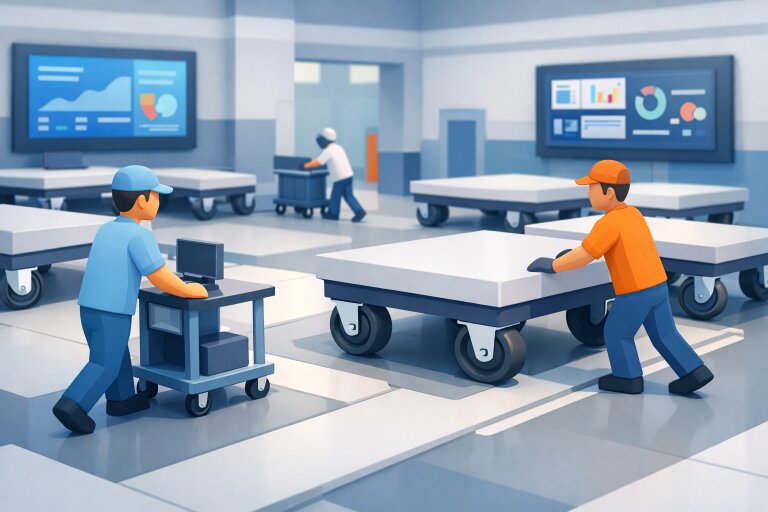
Moreover, having a diverse set of mobility solutions ensures that different operational scenarios are covered. For example, some facilities may need heavy-duty casters for industrial machinery, while others might benefit from lighter wheels for office or medical equipment. Considering both present needs and anticipated growth allows facility managers to future-proof their operations and lower the risk of needing disruptive upgrades later. Mobility solutions that prioritize both durability and ergonomics also contribute to improved staff well-being, as tasks become less physically demanding and processes flow more smoothly from one area to another.
Benefits of Modular Mobility Systems
Modular mobility systems are a staple for facilities aiming for adaptability. Unlike permanent construction, modular setups can be quickly installed, reconfigured, or even relocated as the needs of the facility shift over time. This reduces both initial and long-term costs since companies avoid major overhauls when changes are required. Modular construction and systems are increasingly popular for organizations seeking scalable, sustainable, and efficient alternatives to traditional infrastructure. There are three primary advantages to implementing modular mobility solutions.
- Adaptability: Easily modify layouts or processes to adapt to new production lines or safety protocols.
- Cost-Effectiveness: Reduce project costs by minimizing downtime and simplifying installation compared to permanent alternatives.
- Compliance and Safety: Modular systems can be tailored to meet regulatory requirements, helping facilities remain compliant as laws and codes evolve.
When a facility can quickly add, remove, or reposition modular ramps or pathways, it minimizes workflow disruption and allows for immediate responses to safety audits or new efficiency demands. Additionally, modular systems encourage a culture of continuous improvement within organizations. As the needs of a facility evolve, teams are empowered to assess, plan, and implement changes without being limited by rigid infrastructure. This flexibility is especially critical for businesses operating in markets that face fluctuating demand or seasonal peaks, as it allows them to scale up or down seamlessly. For example, sectors like distribution, retail, manufacturing, and even healthcare facilities benefit from the ability to reallocate space and resources swiftly in response to emergencies, expansion projects, or changing regulations. This ensures not only operational continuity but also that the facility remains competitive and responsive to clients’ and stakeholders’ needs.
Integrating Smart Technologies
Mobility solutions are evolving in tandem with advances in digital technology. By integrating systems that leverage Big Data, artificial intelligence, and 5G connectivity, facility managers can enable real-time monitoring and analysis. This helps predict wear and tear, track movement efficiency, and reduce environmental impacts. The adoption of smart mobility technology supports safer environments and operational excellence, enabling facilities to adjust flows dynamically to prevent bottlenecks or reduce energy consumption. Resources like The Wall Street Journal are reporting on the growing use of smart technology in manufacturing and logistics, highlighting its transformative impact on day-to-day operations. Implementing smart technology within mobility systems also allows for enhanced data-driven decision-making. Facility managers can analyze trends such as peak usage times, traffic flow bottlenecks, or wear patterns on mobile components. With this information, it’s easier to schedule predictive maintenance or reorganize spaces to avoid congestion and increase throughput. Furthermore, connected mobility solutions can integrate with broader facility management platforms to automate alerts, diagnostics, and even automated guided vehicles (AGVs). Such automation trims manual workloads and improves safety by ensuring that assets are always in optimal condition and that potential hazards are addressed before incidents occur.
Regular Maintenance and Upgrades
The performance and safety of mobility solutions are highly dependent on regular maintenance. Scheduled reviews and preventative care identify wear or misalignments before they result in equipment failure or workplace injury. Additionally, proactively upgrading outdated systems to new, more efficient models ensures the facility remains compliant with evolving safety standards and leverages the latest advancements. This not only protects the substantial investment in infrastructure but also upholds the trust of employees who rely on reliable equipment to keep them safe on the job. Facilities committed to routine inspections and timely upgrades will experience fewer disruptions and realize long-term savings, as unexpected repair needs or operational shutdowns can be kept to a minimum. Beyond maintenance, fostering an organizational culture that values staff feedback on mobility solutions can further drive improvements. By encouraging employees to report issues promptly and participate in upgrade discussions, facility managers can gain valuable insights to tailor solutions to real-world usage. Involving staff early in the evaluation and rollout of new technology or equipment builds buy-in while ensuring new systems truly address the unique challenges of the facility. Ultimately, keeping mobility solutions up-to-date is not solely a maintenance task but an ongoing strategic initiative that impacts productivity, safety, and employee satisfaction.
Conclusion
Investing in high-quality, adaptable mobility solutions provides a foundation for resilient facility operations. By embracing modular approaches, integrating intelligent technologies, and committing to diligent maintenance, organizations can achieve a higher level of safety and adaptability. With these strategies in place, facilities are prepared to handle shifting demands and ensure efficiency well into the future. As industries continue to innovate and expand, facility managers who prioritize adaptable, forward-thinking mobility solutions will be best positioned to meet tomorrow’s challenges. The right mix of modular systems, technological integration, and a proactive approach to upkeep not only safeguards assets and employees but also creates a facility that is as flexible as the business environment in which it operates. Ultimately, these steps build a solid foundation for sustainable growth, operational excellence, and satisfied stakeholders at every level.