Key Takeaways
- Natural repellents and essential oils can discourage common household pests from invading your home.
- Maintaining a clean living space and using physical barriers can prevent infestations before they start.
- Homemade traps and encouraging beneficial predators can effectively reduce pest populations naturally.
Table of Contents
- Natural Repellents
- Physical Barriers and Cleanliness
- Homemade Traps
- Encouraging Natural Predators
- Companion Planting
- Diatomaceous Earth
- Heat Treatment
- Final Thoughts
Keeping your living space free from pests does not require an overreliance on chemical solutions. Many households are turning to natural and eco-friendly methods to maintain a clean, comfortable, and pest-free environment for their families. Using easy-to-access tools and products, you can successfully manage unwanted guests in your home. For those looking to protect their home while considering both safety and environmental impact, learning about pest control solutions is a practical first step.
Natural pest management options are appealing for their lower toxicity and minimal impact on indoor air quality and household surfaces. These solutions can offer effective results while helping to maintain a safe space for children and pets.
Understanding different prevention techniques is also key to long-term results. Each method, whether through cleaning routines, physical barriers, or the introduction of helpful plants, can add layers of protection against common pests.
Natural Repellents
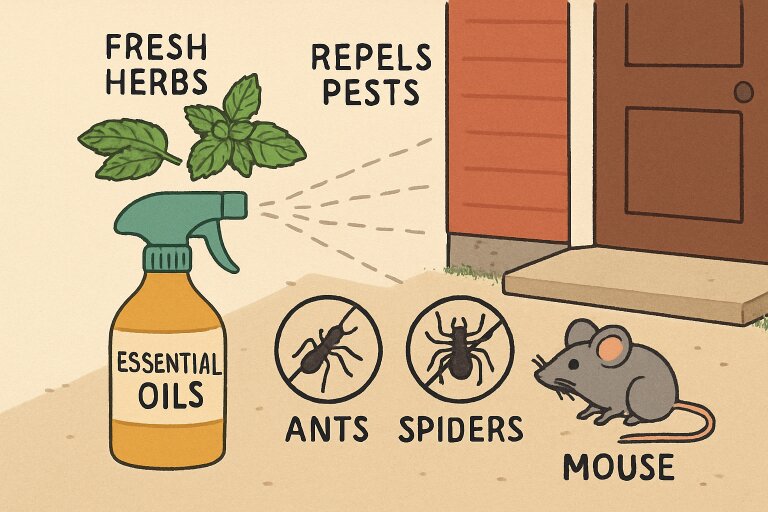
Many essential oils serve as natural repellents against household pests. Peppermint, eucalyptus, and lavender oil can be diluted in water and sprayed along windowsills, baseboards, and entryways to help repel ants, spiders, and even mice. These scents are pleasant to humans but overpowering and distasteful to pests. Similarly, planting fresh herbs like mint and basil near doors and windows builds an aromatic barrier against insects.
Physical Barriers and Cleanliness
Prevention is one of the most reliable strategies in natural pest management. Properly sealing cracks and gaps around doors, windows, and foundations can prevent pests from entering. Adding weatherstripping to windows and installing screens are practical steps. Regular cleaning helps prevent crumbs, spills, and food residues from attracting insects or rodents. Storing pantry items in airtight containers and discarding garbage frequently are simple yet powerful ways to cut off pests’ food supply. Consulting a professional exterminator can also provide targeted guidance and treatments to reinforce these preventive measures. As HGTV highlights, maintaining high sanitation standards is a foundational aspect of pest prevention.
Homemade Traps
Crafting homemade traps is both cost-effective and chemical-free. For example, a shallow bowl filled with apple cider vinegar and a drop of dish soap can attract and trap fruit flies in your kitchen. Outdoors, soft-drink traps or beer-filled containers can capture slugs and snails in garden beds. These easy solutions can be set up in minutes and provide immediate relief for minor infestations.
Encouraging Natural Predators
Building an ecosystem that attracts beneficial animals can greatly reduce pest populations. Ladybugs, lacewings, and certain bird species naturally feed on destructive insects like aphids and caterpillars. Planting wildflowers or native shrubs, installing birdhouses, or setting up bird baths can invite these natural predators into your yard.
Companion Planting
Companion planting involves pairing certain crops or flowers to reduce pest activity. Marigolds, for instance, deter nematodes and aphids when situated next to tomatoes or beans. Basil repels mosquitoes and flies around garden beds. By choosing the right plant combinations, gardeners can enjoy healthier plants and higher yields with fewer unwanted visitors. This approach not only helps ward off pests but also fosters a more resilient garden environment.
Diatomaceous Earth
Diatomaceous earth is a non-toxic, mineral-based powder that kills insects like roaches, ants, and fleas. Its abrasive particles damage insect exoskeletons, leading to dehydration. Applying food-grade diatomaceous earth along baseboards, under appliances, and in garden soils is safe when handled carefully. However, it should be kept out of reach of pets and children. According to information from Wirecutter (The New York Times), this approach is a highly effective addition to any pest management toolkit.
Heat Treatment
Using heat can break the reproductive cycle of pests like bedbugs and dust mites. Steam cleaning carpets, upholstery, and mattresses, and washing bedding at high temperatures, have proven results in eliminating these pests at all life stages. Heat treatments offer a chemical-free, residue-free option that is particularly useful for sensitive indoor environments.
Final Thoughts
Incorporating natural pest control methods into your routine safeguards your home while supporting a healthier environment. By combining repellents, physical barriers, regular cleaning, and other proven solutions, you can reduce reliance on harsh chemicals and maintain peace of mind. Combining preventive habits and natural remedies often yields reliable results as part of a well-rounded approach to household pest management.