

Table of Contents
- Start With the Property’s Real Purpose
- Review Flood Exposure, Elevation, and Access
- Check Shoreland Zoning Before Planning Changes
- Inspect the Well, Septic System, and Water Quality
- Budget for the Full Cost of Coastal Ownership
- Look Beyond the Lot Line
- Match the Inspection to the Home
- Confirm Boundaries, Rights, and Future Options
- A Practical Pre-Offer Checklist
- Buy the Full Property Story
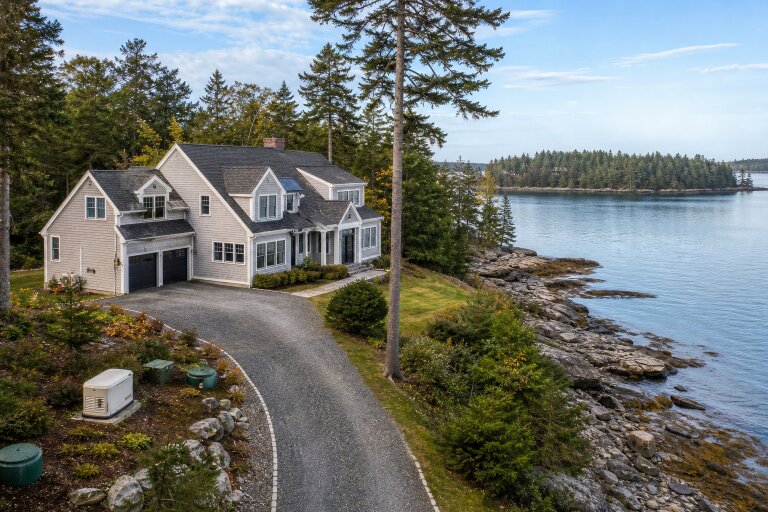
A home near the water in Bar Harbor, Mount Desert Island, Blue Hill, or another coastal Maine community can offer privacy, access to recreation, and an everyday connection to the working shoreline. Still, a harbor view or a wooded waterfront lot is only the beginning of the buying decision. The property’s exposure, systems, legal limits, and year-round access deserve the same attention as its setting.
Buyers who want a local perspective can consult Bar Harbor ME real estate expert Steven Shelton through Acadia Realty Team, a site focused on Acadia-area home searches, listings, and real estate guidance. With coverage that includes Mount Desert Island, the Blue Hill Peninsula, Ellsworth, and Down East communities, Acadia Realty Team is a useful resource for buyers who need to compare coastal locations and understand how local conditions can affect a purchase.
Start With the Property’s Real Purpose
Define how you expect to use the home before you begin comparing listings. A full-time residence should be evaluated for winter driving conditions, dependable heating, internet service, nearby medical care, and access to everyday errands. A second home may require a plan for snow removal, security checks, storm preparation, and seasonal maintenance. If rental income is part of the plan, ask the town about registration, occupancy, parking, and other local requirements before relying on projected revenue.
Retirement buyers should also look past the home’s current charm. Stairs, steep driveways, distance to services, emergency access, and the practical layout of bedrooms and bathrooms can matter more over time than a dramatic deck view.
Review Flood Exposure, Elevation, and Access
Coastal risk is not confined to houses directly on the shoreline. A low driveway, tidal road, undersized culvert, wetland edge, or shared access route can affect whether owners can reach the property and what repairs may cost after severe weather. Use the FEMA Flood Map Service Center to review the current mapped flood information, then supplement it by asking about prior flooding, high-water access issues, drainage work, and storm damage.
During due diligence, identify the elevation and location of the house, electrical equipment, heating equipment, septic components, and driveway. A map is an important screening tool, but it is not a substitute for property-specific review. Insurance professionals, inspectors, engineers, and local officials can help clarify questions that a map alone cannot answer.
Check Shoreland Zoning Before Planning Changes
Many buyers picture a larger deck, a guest cottage, shoreline stairs, a cleared view corridor, or a new dock. Do not assume those plans are allowed. Maine’s mandatory shoreland zoning framework applies to land near specified waters and wetlands, while municipalities administer their own ordinances. The Maine Department of Environmental Protection’s shoreland zoning guidance explains that the shoreland zone can extend 250 feet from coastal wetlands and other covered areas.
Ask the local code enforcement office to confirm the applicable map, setbacks, permitted uses, and whether existing structures are legally nonconforming. Review permit records for past additions, decks, septic work, and shoreline improvements. This is especially important before removing an inspection or zoning contingency.
Inspect the Well, Septic System, and Water Quality
Private utilities require a deeper review than a quick look at a well cap or septic tank cover. Order an appropriate water test and discuss the results with a qualified professional. Depending on local conditions and professional advice, testing may address bacteria, arsenic, nitrate, radon, and other concerns.
- Request the well log and water-treatment records, if available.
- Confirm the septic system’s age, maintenance history, and permitted capacity.
- Locate the tank, leach field, reserve area, and any easements affecting them.
- Ask whether the lot has practical space for future septic replacement.
Budget for the Full Cost of Coastal Ownership
Your mortgage payment is not the complete monthly cost. Request homeowners and flood insurance quotes before making an offer, and read deductibles, exclusions, coverage limits, wind-related provisions, water backup coverage, and replacement-cost terms carefully. Lender requirements may differ based on the property and loan.
Build an annual budget that also includes heating, winterization, roof and siding upkeep, generator service, private-road assessments, plowing, well and septic maintenance, dock or mooring expenses where applicable, and a reserve for weather-related repairs. Salt air, wind, moisture, and freeze-thaw cycles can be hard on exterior materials and exposed systems.
Look Beyond the Lot Line
Tour the route to the house as carefully as the house itself. Determine whether roads, bridges, causeways, or shared driveways have access limitations during storms or winter weather. If the road is private, review ownership, recorded access rights, the maintenance agreement, and how plowing and major repairs are funded.
Test mobile-phone coverage and internet service at the property rather than relying on a provider’s general coverage map. Also consider travel time to grocery stores, fuel stations, pharmacies, health care, and emergency services. On islands or remote peninsulas, transportation schedules and seasonal operations may be part of normal household planning.
Match the Inspection to the Home
A standard inspection is a strong starting point, but an older or exposed coastal home may call for specialists. Inspectors should pay close attention to roof flashing, siding, windows, decks, foundations, crawl spaces, moisture management, chimneys, fuel tanks, heating systems, electrical panels, and backup power. Depending on the home’s age and condition, further evaluation for radon, mold, lead paint, asbestos, or structural concerns may be appropriate.
Confirm Boundaries, Rights, and Future Options
Read the deed, survey, and title materials early. Waterfront purchases can involve easements for roads, utilities, shared driveways, docks, or shoreline access. Verify where the boundary lies, whether others have crossing rights, and whether conservation restrictions or vegetation rules affect your plans. If a dock, float, ramp, or mooring is part of the sale, confirm its status and any permits or approvals associated with it.
A Practical Pre-Offer Checklist
- Your intended use, full-time, seasonal, retirement, or rental, is clear.
- Flood mapping, past water issues, elevation, and access have been reviewed.
- Insurance quotes and likely annual operating costs fit the budget.
- Well, water quality, septic capacity, and replacement options have been investigated.
- Shoreland zoning, permits, and possible future improvements have been confirmed.
- Road maintenance, utilities, service availability, easements, deed, and survey have been reviewed.
- Qualified inspection specialists can work within the contract timeline.
Buy the Full Property Story
A coastal Maine home can be an exceptional place to live, visit, or hold for the long term. The best decisions come from evaluating the whole property story, including the land, structure, utilities, rules, insurance, access, and realistic maintenance costs. When those details support the lifestyle you want, the view becomes even more rewarding.

