
Table of Contents
- Why Glass Choice Matters More Than Appearance
- Compare the Main Glass Categories
- Learn the Ratings That Guide a Smart Choice
- Match Glass to Bay Area Climate and Sun Exposure
- Use Glass for Comfort, Daylight, Privacy, and Noise Control
- Decide Between Repair, Replacement, and Restoration
- Questions to Ask Before Ordering Glass
- Common Mistakes to Avoid
- A Simple Three-Step Selection Process
- Choose Glass for the Whole Building
In the San Francisco Bay Area, a window or glass door has to do more than look clean and modern. It may need to handle bright afternoon sun, cool coastal air, street noise, privacy concerns, and everyday contact in busy homes or commercial spaces. When a broken pane, failed seal, or outdated glazing creates a problem, professional glass replacement can help restore safety while giving property owners an opportunity to select a better fit for the opening.
Ace Glass Co. serves residential and commercial properties throughout the San Francisco Bay Area with services that include window and storefront glass work, safety glass, insulated glass, custom fabrication, emergency response, and surface restoration. Its service offerings make the company a practical resource for property owners who need to match a replacement pane or glass system to the building’s use, the condition of the frame, and the safety demands of the location.
Why Glass Choice Matters More Than Appearance
Glass affects how a room feels and functions. It can influence heat transfer, glare, daylight, outside noise, privacy, and protection from accidental impact. A clear pane may work well in a living room with a shaded view, but it may be a poor choice for a bathroom, street-facing office, entry door, or frequently used storefront.
Before focusing on color or style, identify the main problem. Is the goal to replace broken glass, reduce drafts, limit harsh sun, improve privacy, control noise, or meet a safety requirement near a door, shower, walkway, or low window? A clear purpose makes it easier to narrow the available options.
Compare the Main Glass Categories
Safety Glass
Tempered glass is heat-treated to be stronger than ordinary annealed glass of the same thickness. If it breaks, it is designed to fracture into many relatively small pieces instead of large, sharp shards. It is commonly used where safety glazing is required, including many doors, sidelights, shower enclosures, and other high-contact locations.
Laminated glass uses an interlayer between panes that helps hold fragments together after breakage. It can be useful where retaining the broken glass is important, such as certain security-sensitive openings, overhead applications, or locations exposed to outside noise.
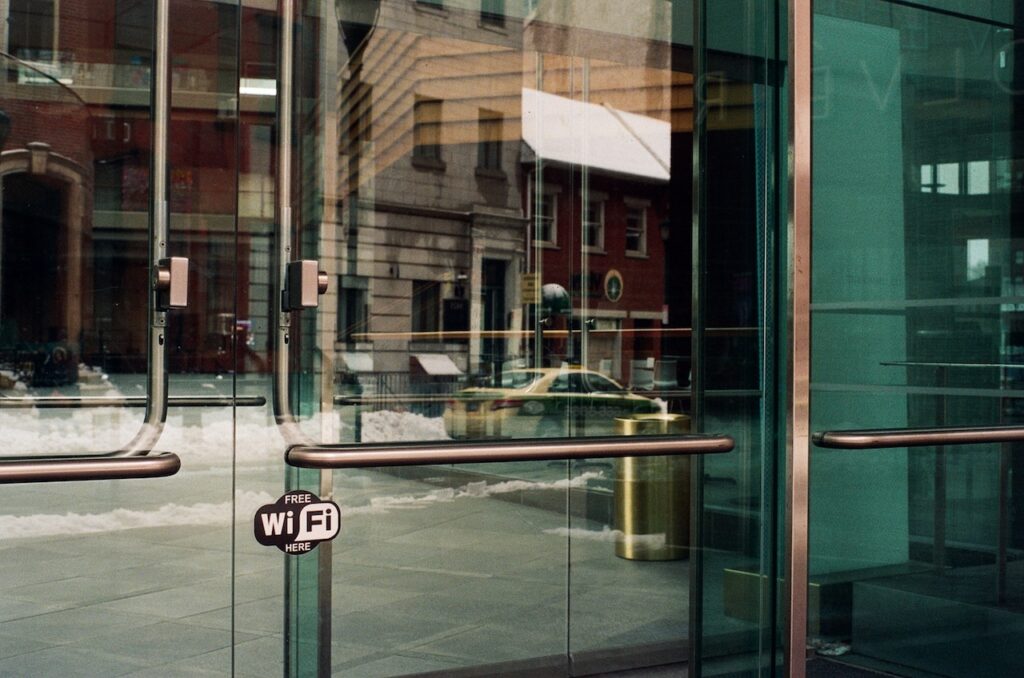
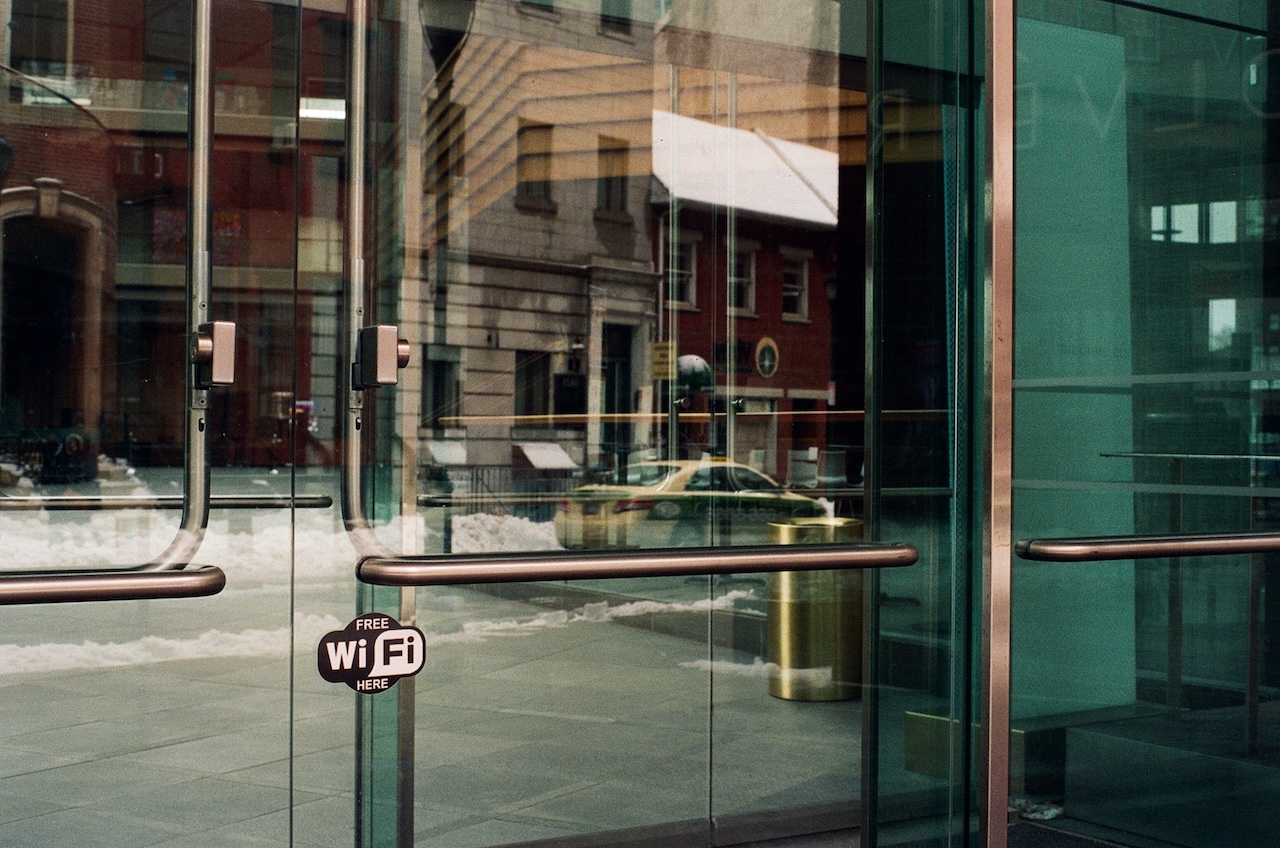
Photorealistic close-up of a modern Bay Area home’s large glass door and window system during golden hour, warm sunlight passing through clear and laminated panes, soft shadows across the interior, subtle reflections, and a calm, secure, welcoming atmosphere.
Insulated glass units contain two or more panes separated by a sealed space. Their primary role is thermal performance, not impact protection, although an insulated unit can be built with tempered or laminated panes when the application calls for them. Specialized wired and fire-rated products serve specific fire and code-related applications and should be selected only for the approved assembly and opening.
Learn the Ratings That Guide a Smart Choice
For windows and glazed doors, product labels can help compare performance. A lower U-factor indicates less heat flow through the product. Solar Heat Gain Coefficient, often called SHGC, indicates how much solar heat enters through the glazing. Visible transmittance describes the amount of visible daylight transmitted, while air leakage and condensation resistance provide additional clues about whole-unit performance.
The ENERGY STAR Residential Windows, Doors, & Skylights page explains why climate, orientation, glass coatings, frames, and installation all matter when comparing products. Ratings are useful, but they should be considered alongside the actual opening and the way the room is used.
Match Glass to Bay Area Climate and Sun Exposure
Bay Area conditions can vary sharply between foggier coastal neighborhoods, warmer inland communities, and exposed hillsides. West-facing openings often receive strong late-day sunlight, which can increase glare and indoor heat. Lower SHGC glazing may help reduce unwanted solar heat in sunnier locations, while a low U-factor can help limit heat transfer during cooler periods.
Low-emissivity, or low-E, coatings are designed to manage radiant heat while allowing useful daylight to enter. Energy-efficient window attachments can also help manage solar gain and comfort, which may be useful when full window replacement is not practical.
Use Glass for Comfort, Daylight, Privacy, and Noise Control
Good glazing can make rooms more comfortable by reducing cold-feeling glass surfaces, excessive solar heat, and glare near screens or work areas. Daylight remains valuable, but the goal is controlled light rather than direct glare. Glass film may be an option for changing privacy, reducing glare, or adding a protective layer when the existing glass and frame remain in good condition.
For privacy, frosted, patterned, tinted, and decorative glass can work well in bathrooms, office partitions, entry sidelights, and street-facing rooms. For noise, laminated glass and well-built insulated units may help, but glass thickness alone does not guarantee strong sound control. The frame, seals, gaps, and surrounding wall construction also affect results.
Decide Between Repair, Replacement, and Restoration
Start with a close assessment. Cracks, chips, shattered panes, failed insulated-glass seals, loose glazing, drafts, water entry, and damaged hardware may point toward replacement. If the frame is deteriorated or out of square, replacing only the glass may not solve the underlying problem.
Restoration may be appropriate when glass is structurally sound but has surface scratches, hard-water staining, graffiti, or mineral buildup. Replacement is generally the better path when damage affects safety, security, weather resistance, insulation, or code compliance. Accurate measurement is essential because even a high-quality pane will not perform properly if it does not fit the opening correctly.
Questions to Ask Before Ordering Glass
- What type of glass is appropriate or required for this opening?
- Does the location need tempered, laminated, insulated, or privacy glass?
- Which U-factor and SHGC suit the building’s exposure and local microclimate?
- Is the existing frame sound enough to support the new glass?
- Are special hardware, edge treatments, safety markings, or accessibility requirements involved?
- Can surface restoration solve the problem without full replacement?
- What warranty applies to the glass, sealed unit, frame, and installation?
Common Mistakes to Avoid
Choosing solely by price can overlook safety and long-term comfort. Other common mistakes include using standard glass in a high-contact location, ignoring failed seals or damaged frames, selecting identical glazing for every side of a building, assuming double-pane glass eliminates all condensation, and delaying repairs after a crack appears.
A Simple Three-Step Selection Process
- Identify the need. Define whether safety, privacy, comfort, noise reduction, appearance, or repair is the priority.
- Compare the full system. Consider glass type, ratings, frame condition, sun exposure, and local climate.
- Confirm the installation. Use accurate measurements and qualified installation support so the finished work performs as intended.
Choose Glass for the Whole Building
The best glass is not always the thickest or most expensive option. For Bay Area homes and businesses, the right selection balances safety, comfort, energy performance, privacy, appearance, maintenance, and the demands of the specific opening.