Key Takeaways
- Young athletes often remember honest stories when those stories lead to a simple action.
- Improvement is easier to see when players measure habits rather than points, wins, or awards.
- Mistakes can become useful training clues rather than reasons to lose confidence.
- Confidence grows through preparation, effort, and a willingness to keep learning.
- Coaches, parents, and teachers can reinforce a speaker’s message in everyday situations.
Young athletes often need more than practice and competition to stay motivated. Hearing directly from experienced basketball players and coaches can give them a different perspective on discipline, setbacks, confidence, and the value of consistent effort. Real stories can help young players understand that improvement takes time and that challenges are part of development.
Basketball speakers can also encourage athletes to set realistic goals and remain committed when progress feels slow. Whether for a school, team, sports program, or special event, organizers can use basketball speakers book online to find experienced voices who can connect with young audiences. Their experiences can provide practical lessons that extend beyond the court, encouraging athletes to keep learning and improving.
Why Real Stories Matter to Young Athletes
Advice is easier to absorb when athletes can picture it in real life. A speaker who describes being cut from a team, missing a decisive shot, sitting on the bench, returning from an injury, or adjusting to a new role can make a lesson feel less abstract. Young players may recognize their own worries in those moments.
The most useful stories are not only about trophies or highlight plays. They explain the decisions made after a hard day: showing up to practice, asking for feedback, supporting teammates, and trying again. A player who steadily improved ball handling by practicing with both hands offers a more reachable example than a story built around natural talent alone.
Turning Mistakes Into Training Clues
A missed layup, turnover, or poor defensive possession does not define a player. The important next step is helping the athlete move from “I missed, so I cannot do this” to “I missed, so what can I practice?” That change encourages reflection without pretending mistakes do not matter.
After a difficult practice or game, players can pause and ask three questions:
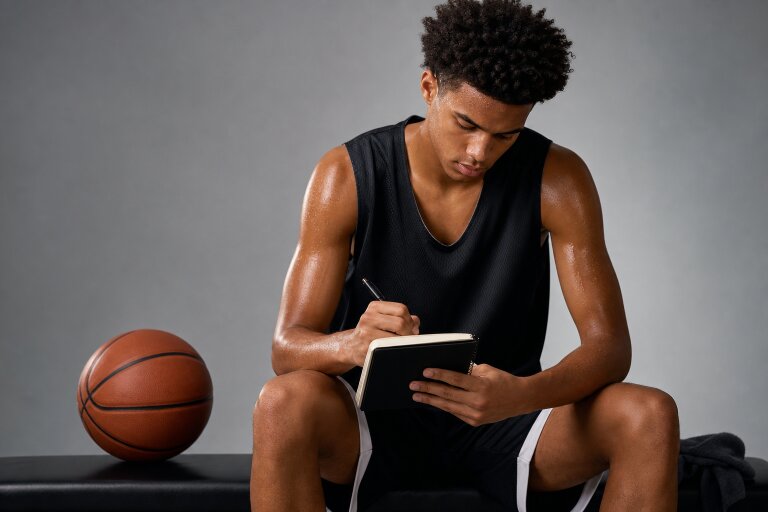
A Simple Post-Practice Review
After a difficult practice or game, players can pause and ask three questions:
- What happened? Describe the play or situation without exaggerating it.
- What part could improve? Identify one controllable skill, decision, or habit.
- What will I try next time? Choose a specific response for the next practice.
This approach keeps attention on learning. A coach might help a player notice that a rushed pass came from failing to scan the court early, not from being “bad at basketball.” The next drill can then focus on seeing the floor before receiving the ball.
Using Small Goals to Build Better Habits
“Become a better player” is a worthwhile hope, but it is too broad to guide today’s practice. Small, controllable goals give young athletes something they can do repeatedly. Examples include making twenty controlled weak-hand dribbles, calling out every screen during a defensive drill, sprinting back after each shot, or making eye contact when a coach gives instructions.
Goals should fit the athlete’s age, experience, and reasons for playing. A weekly focus on effort, learning, enjoyment, or being a better teammate can be just as valuable as a target based on statistics. Players can track one or two habits in a notebook and review what felt easier, what remained difficult, and what they want to adjust.
Building Confidence Without Adding Pressure
Healthy confidence comes from preparation. It grows when athletes see that they can practice a skill, receive feedback, and handle the next opportunity with more composure. It does not require telling a young player that every game must be perfect or that their future depends on one season.
Basketball speakers can model balanced language by praising courage, focus, communication, and persistence rather than talent alone. Before competition, athletes can use brief reminders that keep them present:
- “Play the next possession.”
- “Stay ready after a mistake.”
- “Trust the work already completed.”
These phrases do not guarantee an outcome. They give players a constructive response when nerves rise or momentum changes.
Teaching Teamwork and Personal Responsibility
Basketball makes individual choices visible, but improvement is shared. A player helps the group by talking on defense, making the extra pass, arriving prepared, encouraging a teammate, and staying engaged from the bench. Those habits matter even when the player is not scoring.
Responsibility should not become blame. Athletes can take ownership of their preparation and effort while recognizing that games involve opponents, teammates, coaching decisions, and unpredictable bounces. A positive team culture gives players room to admit an error, correct it, and keep contributing. Basketball’s player mentorship programs also reflect the value of guidance that supports athletes both on and off the court.
Connecting Basketball Lessons to Life Skills
The lessons that last longest often reach beyond the scoreboard. Preparing a bag the night before practice can reinforce organization. Listening closely during a drill can strengthen attention. Managing homework, training, meals, rest, and family time can teach young people how to plan realistically.
Consider a student-athlete with after-school practice three days each week. Rather than waiting until late evening to begin assignments, the player might use a short block of time after school, pack equipment in advance, and protect a regular bedtime. That routine supports basketball, but it also builds habits that are useful in school and other commitments.
Parents can help by recognizing positive actions rather than merely final results. The CDC’s guidance on praising teens for positive actions offers a useful reminder that specific encouragement can acknowledge the choices a young person is making.
Keeping the Message Alive After the Event
A single talk can inspire a team, but daily reinforcement turns an idea into a habit. Coaches, parents, and teachers can use a straightforward follow-up process:
- Ask each athlete to write down one lesson that stood out.
- Help the athlete turn that lesson into one weekly action.
- Spend a few minutes during a team check-in discussing what players tried.
- Recognize consistency, communication, and effort alongside visible results.
- Return to the message after a loss, a frustrating practice, or a conflict.
The follow-up should feel supportive, not like another test. When adults refer back to a speaker’s message in a calm, specific way, athletes are more likely to connect motivation to their everyday choices.
Questions Coaches and Parents Should Ask
What should young athletes listen for?
They should listen for practical lessons on preparation, effort, teamwork, and responding to mistakes. The best takeaway is usually one action they can use at their next practice.
How can coaches reinforce the message?
Choose one idea and connect it to a drill. If the message was about resilience, ask players to reset quickly after a turnover or missed shot.
How can parents help?
Ask questions about effort, enjoyment, learning, and teammates before asking about points or playing time. This keeps the conversation focused on the athlete’s experience.
What makes a message memorable?
Honesty, clear language, real emotion, and a simple next step make a message easier to carry into practice.
Conclusion
One speech cannot replace quality coaching, consistent practice, rest, or a supportive environment. It can, however, give young athletes a healthier frame for the work they already do. Lasting improvement often starts with one small choice, repeated with patience over time.