
Key Takeaways
- Automation and robotics are enhancing precision and efficiency in metal fabrication.
- Integration of digital technologies is streamlining design and production processes.
- Sustainable practices are becoming essential in fabrication operations.
- Advanced materials are expanding the possibilities in metal fabrication.
Table of Contents
- Automation and Robotics Integration
- Digital Technologies and Industry 4.0
- Sustainable Practices in Metal Fabrication
- Advanced Materials and Innovations
- Conclusion
Custom metal fabrication is advancing quickly as new technologies and evolving market demands redefine industry standards. Today’s manufacturers must pay close attention to these trends to stay ahead. Companies committed to innovation remain more agile and better equipped to deliver consistent quality and value. Staying competitive also means forming partnerships with trusted providers, such as fabrication and machining services Houston TX, to access the latest capabilities and expertise.
As the industry shifts, the integration of digital tools and automation is no longer optional but essential for growth. Sustainable practices and advanced materials are now regular fixtures in many fabrication shops, driving efficiency and meeting stricter regulatory and customer requirements. By understanding these key trends, businesses can position themselves to thrive as fabrication technology advances.
Automation and Robotics Integration
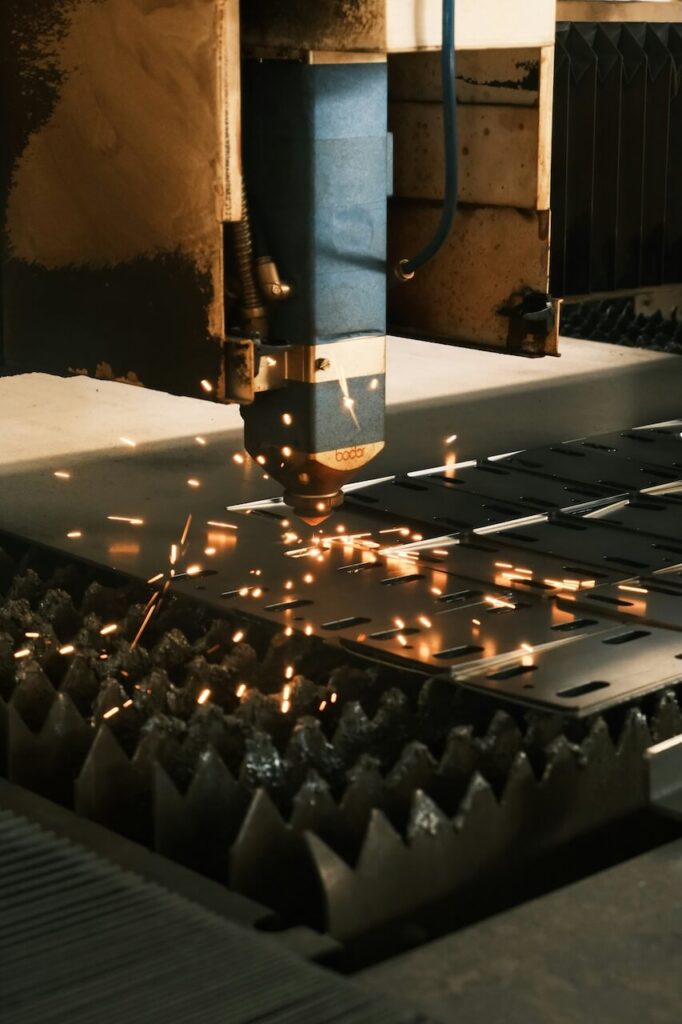
Robotic integration is reshaping the landscape of custom metal fabrication. Systems for robotic welding, assembly, and part handling are now common, allowing shops of all sizes to improve not only output but also repeatability and safety. Automated CNC machinery can perform tasks precisely and at higher speeds than traditional methods while reducing scrap rates and errors. With labor shortages impacting the manufacturing sector, automation helps bridge workforce gaps by handling repetitive and dangerous jobs.
Upgrading to modern automation technology can reduce human error and empower operators to focus on higher-value activities, such as quality control and equipment maintenance. As Forbes reports, companies that embrace automation are better positioned to adapt to fluctuations in demand and remain competitive as the industry evolves.
One important aspect of robotics in metal fabrication is its scalability. Manufacturers can integrate modular robotic work cells as their needs grow. These cells enable a “plug-and-play” approach, so production can be ramped up without significant downtime or expensive facility renovations. Moreover, collaborative robots (“cobots”) are increasingly being deployed alongside human workers, augmenting capabilities and enhancing safety. For example, cobots can take over the most ergonomically risky or monotonous tasks, which not only prevents workplace injuries but also boosts overall morale and job satisfaction on the shop floor.
Digital Technologies and Industry 4.0
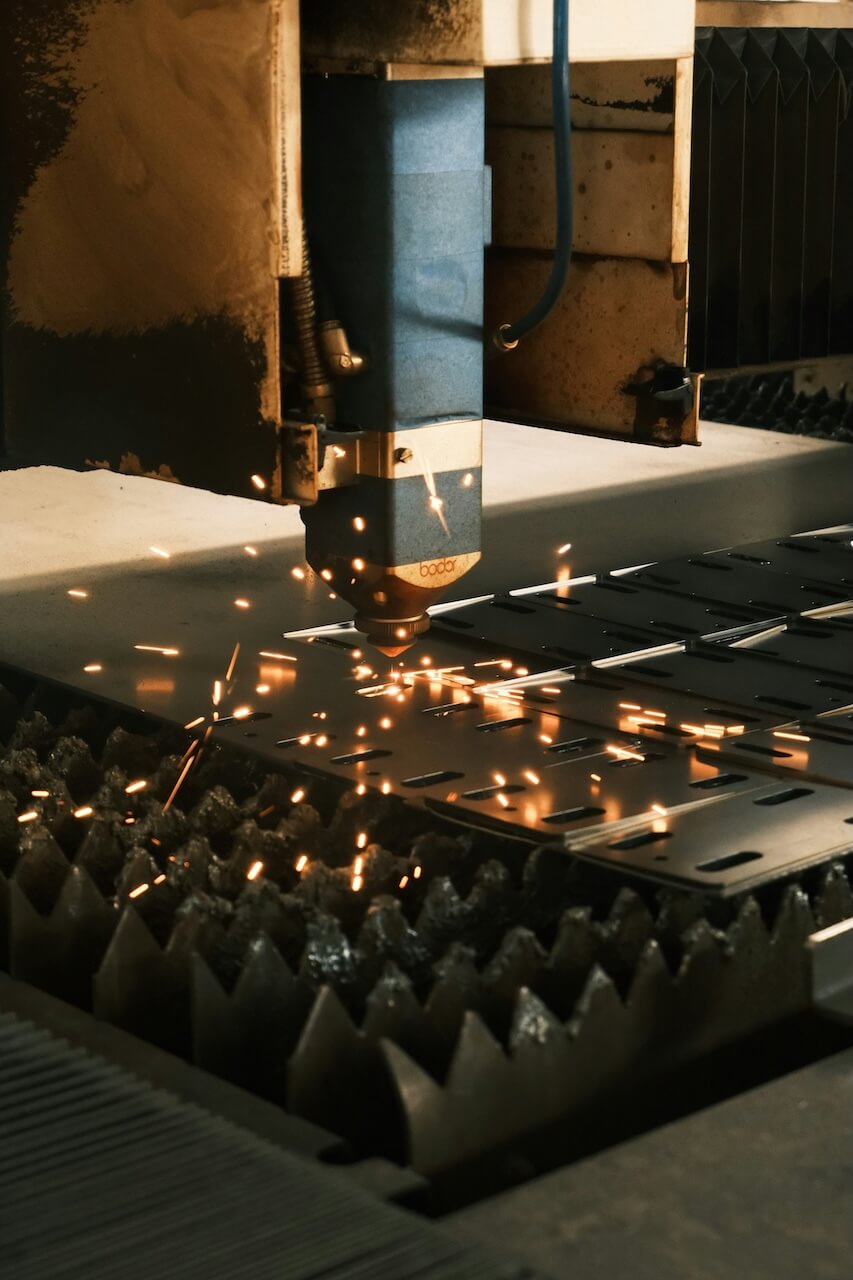
The arrival of Industry 4.0 is enabling a connected, data-driven approach to fabrication. Digital design tools, such as Building Information Modeling (BIM), integrate shop drawings directly into fabrication workflows, improving coordination across departments and reducing design errors. Smart machines now collect and analyze data in real time, allowing operations to monitor performance, conduct preventive maintenance, and optimize production with greater accuracy.
These digital advancements shorten lead times and boost reliability. As highlighted by McKinsey & Company, the adoption of digital technologies has been a driving force behind transformative changes in manufacturing, resulting in more agile operations and highly customized products.
The move toward digitalization has also opened the door for improved customer collaboration and transparency. Clients can now track the progress of their projects through integrated platforms, from initial design approval to final delivery. Real-time dashboards, digital twins, and virtual simulations allow for seamless updates and better anticipation of potential challenges. In turn, this fosters deeper client relationships and supports faster, better-tailored product development cycles.
Sustainable Practices in Metal Fabrication
Environmental awareness is influencing decision-making in custom fabrication more than ever. Metal fabricators are adopting cleaner, more energy-efficient machines and methods, such as servo equipment and fiber lasers that use significantly less power. Companies are also integrating advanced scrap management systems that track and reduce waste through targeted recycling and reuse efforts. These changes not only support environmental goals but also often lead to lower long-term operating costs.
Beyond production, supply chain sustainability is increasingly important. Many shops are sourcing materials locally or from responsibly managed suppliers to reduce logistics-related carbon emissions. Energy management systems and water conservation technologies are further contributing to more sustainable shop operations.
To further minimize their carbon footprint, some fabricators are exploring renewable energy sources, such as solar or wind, to power their facilities. Investing in cleaner energy not only aligns with environmental regulations but can also serve as a strategic differentiator for companies aiming for green certifications or contracts with eco-conscious clients. This trend toward environmental responsibility also often encourages innovation across business practices, driving continuous improvement in both process efficiency and product design.
Advanced Materials and Innovations
The expanding array of new materials is widening the possibilities for engineers and designers. High-strength alloys, stainless steel varieties, titanium, and lightweight aluminum are being used to create products that meet stringent strength-to-weight ratios, particularly in aerospace, automotive, and construction industries. These advanced materials allow fabricators to produce parts that are not only lighter but also more durable and corrosion-resistant.
Material science continues to advance fabrication, enabling new techniques such as hybrid additive manufacturing and metal 3D printing. Such methods enable quick prototyping of parts with complex geometries or the production of components that were previously cost-prohibitive with traditional machining processes. These innovations are set to spark ongoing transformation across industrial sectors.
In addition to performance benefits, advanced materials can lead to significant cost savings throughout the product lifecycle, thanks to enhanced longevity and fewer replacement needs. Furthermore, the ongoing development of coatings and treatments, such as nanocoatings that enhance wear resistance or anti-corrosion properties, is expanding the potential use cases for metals in harsh and demanding environments. R&D into composite materials and the integration of smart sensors directly into metal components also hints at a future where fabricated parts are not only structural but also able to collect and transmit performance data, opening even more avenues for value-added applications.
Conclusion
Adopting modern strategies and embracing new technologies is essential in custom metal fabrication. Using advanced automation, digital platforms, sustainable processes, and high-performance materials allows fabricators to stay productive and competitive. By aligning with these trends, businesses will be well prepared to meet the evolving challenges and opportunities within manufacturing and beyond.
Ultimately, the future of metal fabrication lies in a blend of tradition and transformation, where hands-on expertise is augmented by smart technology, and where innovation thrives alongside a commitment to quality and sustainability. As this sector continues to evolve, success will depend on continuous learning, investing in workforce skills and technology, and fostering partnerships that deliver the very best in metal fabrication services.